Introduction
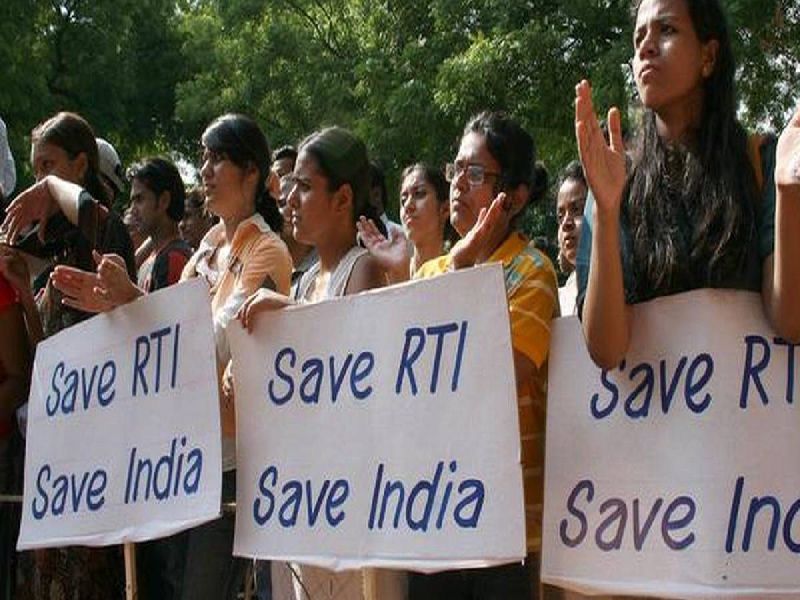
The Right to Information Act (RTI) in India is a landmark legislation that empowers citizens to seek information from public authorities. Enacted in 2005, it aims to promote transparency and accountability in the functioning of government bodies. Under the RTI Act, citizens can request information related to government decisions, policies, and actions, with certain exceptions to protect sensitive information such as national security and personal privacy. It’s a crucial tool for ensuring democratic governance and combating corruption in India.
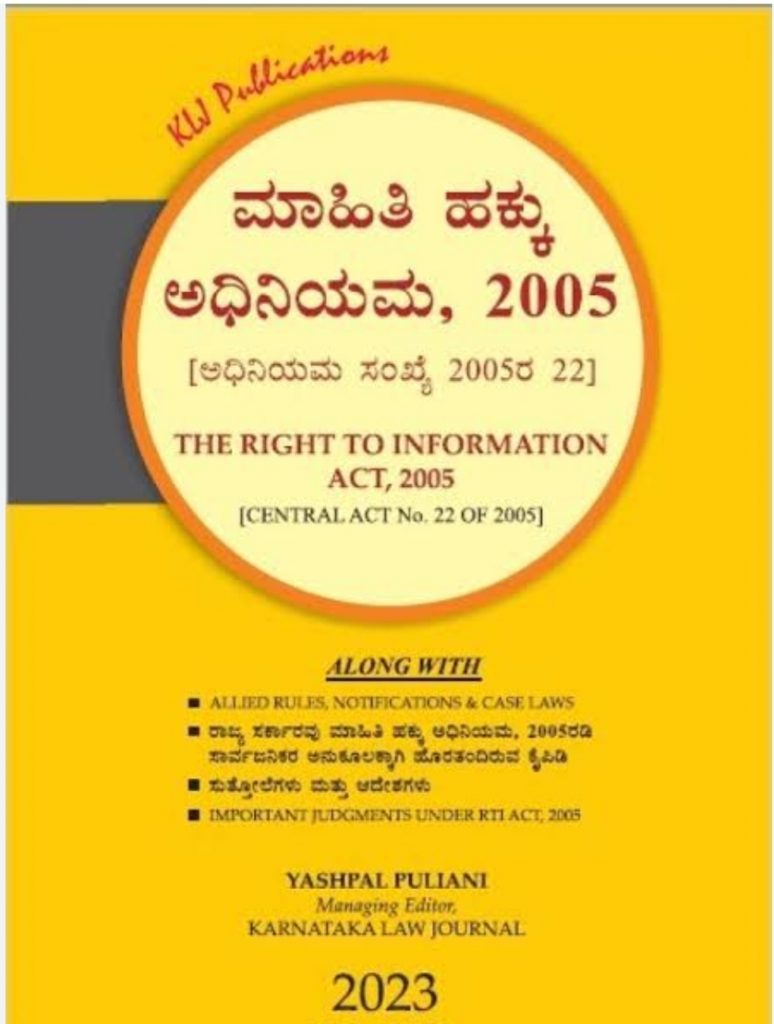
features of RTI
- Empowerment of Citizens: The RTI Act in India empowers citizens by granting them the right to access information held by public authorities, thus promoting transparency and accountability in governance.
- Scope of Information: Citizens can request information on government decisions, policies, expenditure, and actions, enabling them to participate more effectively in democratic processes.
- Application Process: Individuals can file an RTI application either online or in writing to the relevant public authority, specifying the information they seek. A nominal fee is usually charged for filing the application.
- Time-bound Response: Public authorities are required to respond to RTI requests within a stipulated timeframe, typically 30 days, with information or a valid reason for denial.
- Exceptions: While the Act promotes transparency, certain categories of information are exempt from disclosure, such as national security, privacy, and trade secrets.
- Public Disclosure: Public authorities are obligated to proactively disclose certain categories of information, such as their organizational structure, functions, and budget allocations, to promote proactive transparency.
- Independent Oversight: The Central Information Commission (CIC) and State Information Commissions (SICs) serve as independent bodies to adjudicate disputes, hear appeals, and ensure compliance with the RTI Act.
- Whistleblower Protection: The RTI Act provides protection to whistleblowers who expose corruption or wrongdoing in public offices, safeguarding them from retaliation or victimization.
- Penalties for Non-Compliance: Public officials who fail to provide information or obstruct the RTI process may face penalties, including fines and disciplinary action.
- Impact on Democracy: The RTI Act has had a transformative impact on Indian democracy by promoting transparency, reducing corruption, and enhancing citizen participation in governance processes.
Procedure to get Information under RTI
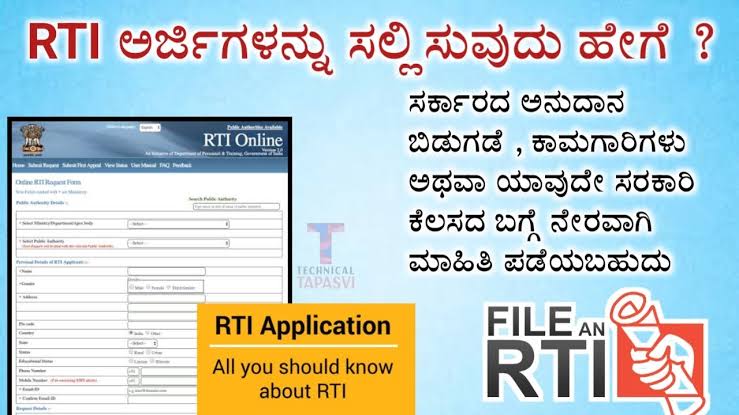
To apply for the Right to Information (RTI) in India, follow these steps:
- Identify the Public Authority: Determine which government department or agency holds the information you seek. This could be a central government ministry, state government department, municipal corporation, or any other public authority.
- Prepare Your Application: Clearly formulate your request for information. Include details such as your name, contact information, and the specific information you are seeking. Be as precise and specific as possible to facilitate a quicker response.
- Choose the Mode of Application: Decide whether you want to submit your RTI application online or through traditional mail. a. Online Application: Many government departments have online portals where you can submit RTI applications. Visit the respective website and follow the instructions for submitting an RTI application online. b. Offline Application: If you prefer to submit a physical application, write your request on a plain paper or use the format provided by the concerned public authority. Make sure to affix the required fee, if applicable.
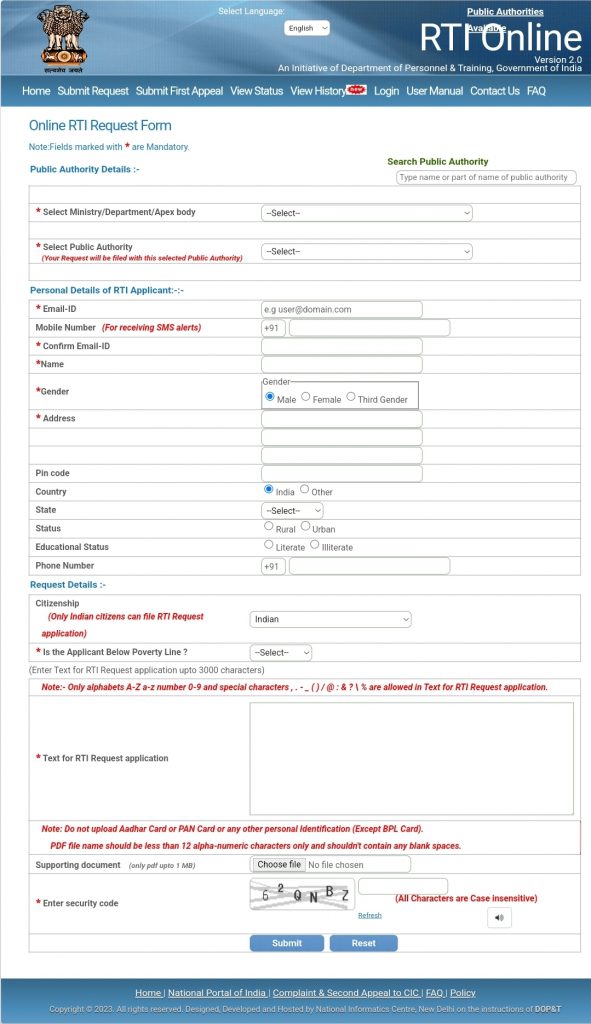
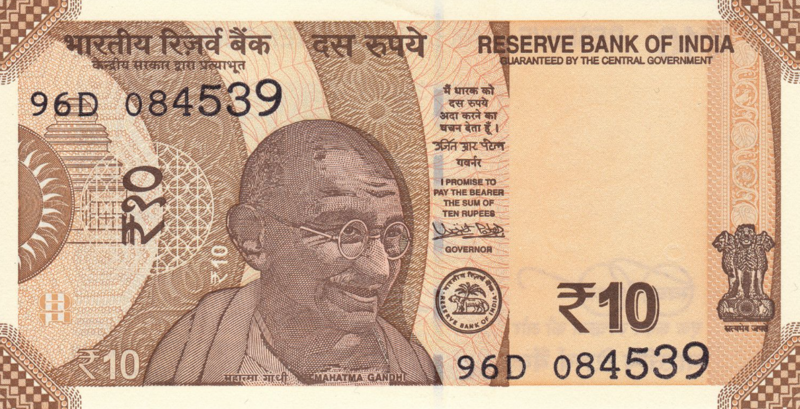
5. Pay the Application Fee: In most cases, a nominal fee is charged for filing an RTI application. The fee varies depending on the public authority and the mode of application. Check the official website of the concerned public authority for details on the fee structure.
6.Submit Your Application: If applying online, follow the instructions on the website to submit your RTI application electronically. If applying offline, send your application by registered post or hand-deliver it to the designated address of the public authority.
8. Await Response: Once your application is received, the public authority is required to respond within 30 days. If additional time is required due to the nature of the request, they must inform you within 30 days and provide the information within a total of 45 days from the date of application.
9. Receive Information or Explanation: If your RTI application is approved, you will receive the requested information. If the information is denied, the public authority must provide a valid reason for the denial.
10. File an Appeal (if necessary): If you are not satisfied with the response or if your application is rejected, you have the right to file an appeal with the relevant Information Commission within the stipulated time frame. The Information Commission will review your case and make a decision accordingly.

By following these steps, you can apply for the Right to Information in India and exercise your right to access government information.
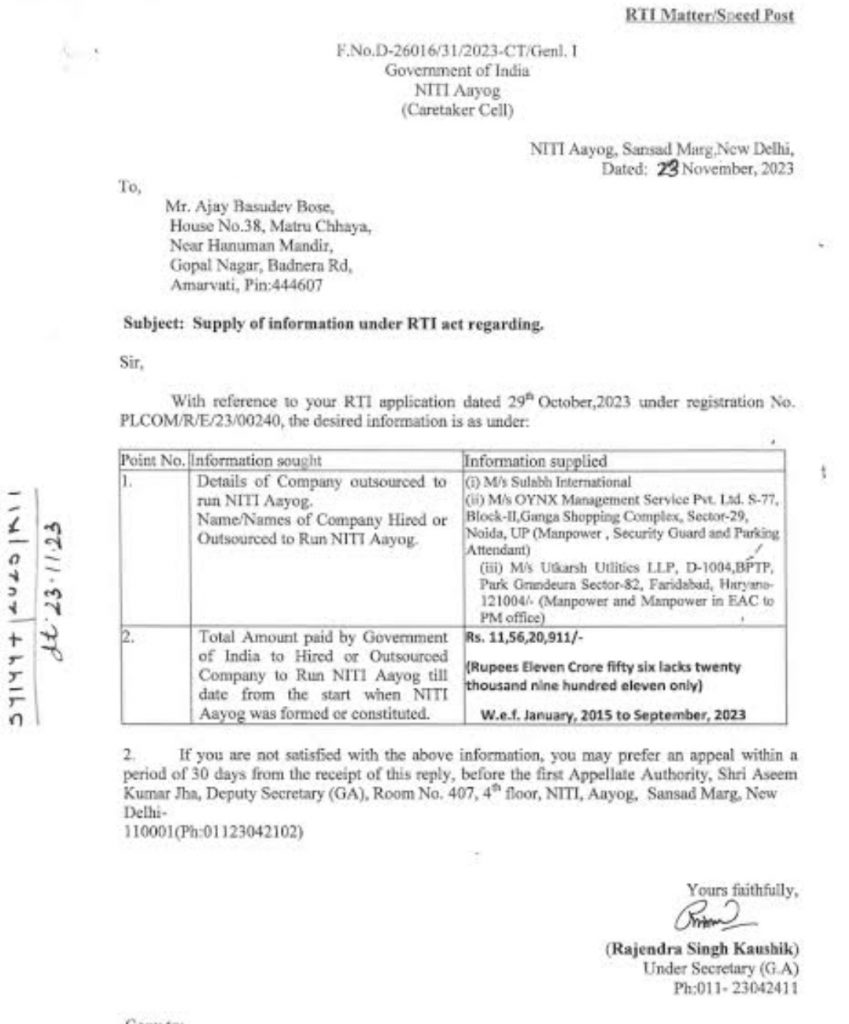
Real example of Information received under RTI